

How to measure the temperature accuracy of a mini drink fridge?
As a supplier of mini drink fridges, ensuring the temperature accuracy of our products is of utmost importance. Temperature accuracy directly affects the quality and freshness of the beverages stored inside the fridge. In this blog post, I will share some effective methods on how to measure the temperature accuracy of a mini drink fridge.
Why Temperature Accuracy Matters
Before diving into the measurement methods, it's essential to understand why temperature accuracy is crucial for a mini drink fridge. Different types of beverages require specific temperature ranges to maintain their flavor, aroma, and quality. For example, beer is best served at around 38 - 42°F (3 - 6°C), while wine has different optimal temperature ranges depending on the type - red wine typically between 55 - 65°F (13 - 18°C) and white wine between 45 - 50°F (7 - 10°C).

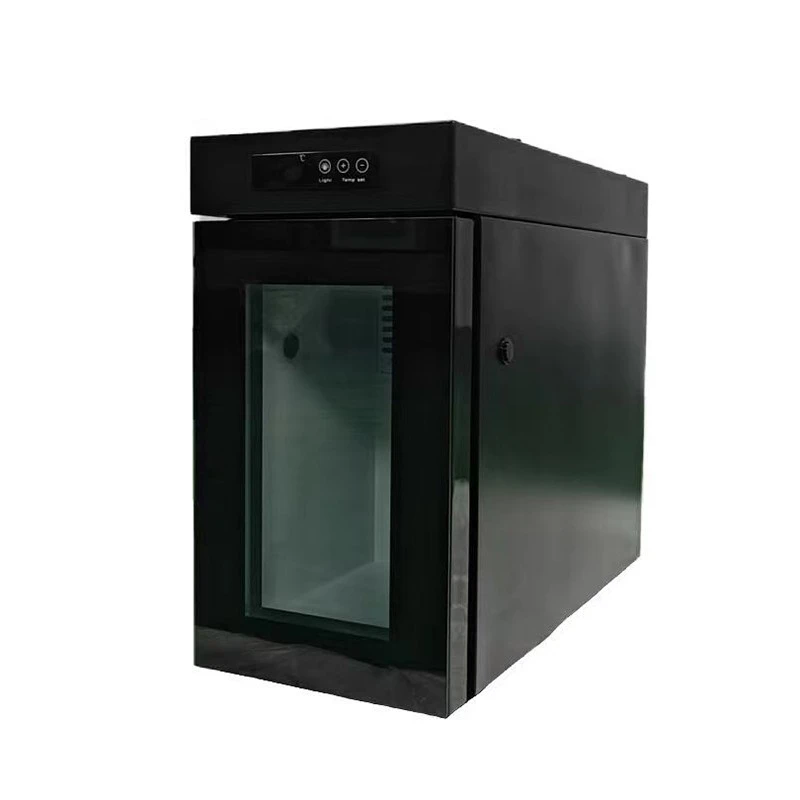
If the temperature inside the fridge fluctuates too much or is consistently off - target, it can lead to spoilage, loss of flavor, and even damage to the beverages. As a supplier, we want our customers to have the best experience with our Mini Beverage Cooler, which means delivering fridges that can maintain accurate temperatures.
Tools Needed for Temperature Measurement
To measure the temperature accuracy of a mini drink fridge, you will need the following tools:
- Thermometers: There are several types of thermometers available, such as digital thermometers, thermocouples, and infrared thermometers. Digital thermometers are commonly used due to their accuracy and ease of use. Make sure to choose a thermometer with a high level of precision, preferably with an accuracy of ±0.5°F (±0.3°C).
- Data Loggers: Data loggers are useful for monitoring the temperature over an extended period. They can record temperature readings at regular intervals, allowing you to analyze the temperature stability and any fluctuations. Some data loggers can be connected to a computer or mobile device for easy data retrieval and analysis.
Measuring the Temperature
Initial Setup
- Placement of the Thermometer: Place the thermometer in the middle of the fridge, away from the walls, door, and any heating or cooling elements. This will give you a representative reading of the average temperature inside the fridge. For a more comprehensive measurement, you can also place additional thermometers in different locations, such as the top, bottom, and corners of the fridge.
- Allow the Fridge to Stabilize: Before taking any temperature readings, let the fridge run for at least 24 hours to reach a stable operating temperature. This will ensure that the temperature inside the fridge has settled and is not affected by any initial startup fluctuations.
Taking Readings
- Single - Point Readings: After the fridge has stabilized, take a single - point temperature reading using the thermometer. Record the reading and compare it to the set temperature on the fridge's control panel. The difference between the set temperature and the measured temperature is the temperature error. For example, if the set temperature is 40°F (4°C) and the measured temperature is 41°F (5°C), the temperature error is +1°F (+0.6°C).
- Continuous Monitoring with a Data Logger: If you are using a data logger, set it to record temperature readings at regular intervals, such as every 15 minutes or every hour. Let the data logger run for at least 24 hours to capture any daily temperature fluctuations. After the monitoring period, download the data from the data logger and analyze it using a spreadsheet or data analysis software.
Analyzing the Results
Temperature Accuracy
To determine the temperature accuracy of the mini drink fridge, calculate the average temperature error over the monitoring period. If the average temperature error is within an acceptable range (usually ±1°F or ±0.6°C), the fridge can be considered to have good temperature accuracy. However, if the average temperature error is outside this range, it may indicate a problem with the fridge's temperature control system.
Temperature Stability
In addition to temperature accuracy, it's also important to assess the temperature stability of the fridge. Look for any significant temperature fluctuations in the data recorded by the data logger. A stable fridge should have a relatively consistent temperature, with only minor fluctuations. Large temperature swings can be caused by issues such as a faulty compressor, improper insulation, or a malfunctioning thermostat.
Troubleshooting Temperature Issues
If you find that the mini drink fridge has poor temperature accuracy or stability, here are some troubleshooting steps you can take:
- Check the Fridge's Placement: Make sure the fridge is placed in a well - ventilated area, away from direct sunlight, heat sources, and other appliances that may generate heat. A fridge that is placed in a hot or cramped space may have difficulty maintaining a stable temperature.
- Inspect the Door Seal: A damaged or worn - out door seal can allow warm air to enter the fridge, causing temperature fluctuations. Check the door seal for any signs of damage or gaps, and replace it if necessary.
- Clean the Condenser Coils: Over time, the condenser coils on the back or bottom of the fridge can become clogged with dust and debris, reducing the fridge's cooling efficiency. Use a vacuum cleaner or a coil brush to clean the condenser coils regularly.
- Test the Thermostat: If you suspect that the thermostat is malfunctioning, you can test it using a multimeter. Follow the manufacturer's instructions for testing the thermostat, and replace it if it is found to be faulty.
Conclusion
Measuring the temperature accuracy of a mini drink fridge is an important step in ensuring the quality and performance of our products. By using the right tools, following the proper measurement procedures, and analyzing the results, we can identify any temperature issues and take appropriate steps to address them. As a supplier, we are committed to providing our customers with high - quality Bud Light Mini Beer Fridge and Mini Fridge with Beer that can maintain accurate and stable temperatures.
If you are interested in purchasing our mini drink fridges or have any questions about temperature accuracy and product performance, please feel free to contact us for a detailed discussion. We look forward to working with you to meet your beverage cooling needs.
References
- "Refrigeration and Air Conditioning Technology" by William C. Whitman, William M. Johnson, and John Tomczyk.
- Manufacturer's manuals for mini drink fridges.